


Please fill out the form below to request a quote or to request more information about us. please be as detailed as possible in your message, and we will get back to you as soon as possible with a response. we're ready to start working on your new project, contact us now to get started.
The Rise Of Film Greenhouses In Sustainable Farming
2026-10-22
Sainpoly
55
In an era where sustainability is at the forefront of global conversations, innovative solutions are transforming the agricultural landscape. Among these, film greenhouses are emerging as a game-changer in sustainable farming practices. These cutting-edge structures not only optimize plant growth but also significantly reduce resource consumption, creating a harmonious balance between productivity and environmental stewardship. In our latest article, "The Rise of Film Greenhouses in Sustainable Farming," we explore the technology behind these eco-friendly installations, delve into their benefits, and highlight success stories of farmers who are leading the charge in this green revolution. Join us as we uncover how film greenhouses are reshaping the future of agriculture and paving the way for a more sustainable world. Don’t miss out on the opportunity to discover how this innovative approach can revolutionize farming and contribute to a healthier planet.
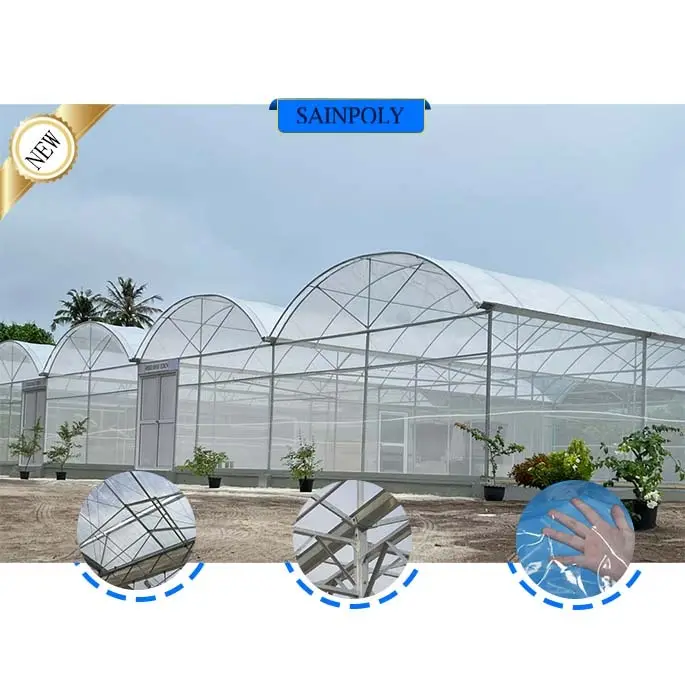
Understanding the Concept of Film Greenhouses in Agriculture
As the global population continues to rise, the demand for food has become ever more pressing, pushing the boundaries of agricultural practices. Amidst challenges like climate variability, resource constraints, and the need for sustainable farming techniques, the concept of film greenhouses has emerged as a transformative solution. These structures are not just shelters; they are dynamic ecosystems that have the potential to revolutionize agricultural productivity while remaining eco-friendly.
What is a Film Greenhouse?
A film greenhouse is a type of agricultural structure that utilizes transparent plastic film, often made from polyethylene, to cover a framework designed to create favorable growing conditions for crops. Unlike traditional glass greenhouses, film greenhouses are typically lighter, more economical, and easier to construct, making them accessible to a broader range of farmers. The essential purpose of these greenhouses is to trap solar energy, create a controlled environment, and extend the growing season, enabling crops to flourish in otherwise challenging conditions.
Components and Functionality
A film greenhouse consists of several key components that work synergistically to enhance plant growth. The framework is usually composed of steel, aluminum, or PVC pipes, providing structural integrity while minimizing weight. The covering itself, made from high-quality plastic films, can be produced with differing thicknesses and UV resistance levels to cater to specific crop needs.
One of the most remarkable features of film greenhouses is their ability to manipulate the internal environment. By trapping heat, these structures can maintain optimal temperatures even in cooler climates. Furthermore, the use of roll-up sides or vents allows for efficient air circulation, preventing issues like humidity buildup and disease spread among plant crops. The transparent nature of the film allows natural light penetration, essential for photosynthesis, while some films can be treated to filter out harmful UV rays, protecting plants from sunburn.
Economic and Environmental Benefits
The adoption of film greenhouses in agriculture offers numerous economic benefits. For instance, farmers can extend their growing seasons significantly, allowing for multiple harvests in a single year. This not only increases the yield but also contributes to food security, especially in areas where climate conditions are less predictable.
Moreover, film greenhouses enable water conservation through controlled irrigation systems. By utilizing drip irrigation or rainwater harvesting technologies within the greenhouse, farmers can minimize water usage while ensuring that crops receive adequate nourishment. This aligns with sustainable agricultural practices, where reducing water waste is a priority.
From an environmental perspective, the advantages of film greenhouses are equally compelling. By optimizing space and production, these structures can lessen the land required for cultivation, facilitating the preservation of natural habitats. Additionally, crop cultivation in controlled environments reduces the reliance on chemical pesticides and herbicides, as the closed system allows for better pest management through biological means.
Challenges and Innovations
Moreover, the durability of plastic films is often questioned in terms of sustainability. Biodegradable or recyclable greenhouse films are emerging as potential solutions to mitigate the environmental impacts associated with plastic waste, driving research and investment into sustainable materials.
Future Prospects
The concept of film greenhouses represents a crucial advancement in modern agriculture, paving the way for innovative solutions that align with sustainable farming principles. As technology continues to evolve, integrating smart sensors, automated systems, and artificial intelligence will enable farmers to optimize growing conditions further, enhancing productivity and sustainability.
The increasing adoption of film greenhouses signifies a shift towards embracing innovative practices that can help secure the world's food supply amidst environmental challenges. Understanding and implementing these structures can lead to a transformative impact on agriculture, promoting sustainability while meeting the growing needs of the global population. With ongoing research, investment, and technological advancement, the film greenhouse presents a promising pathway to achieving a more resilient and sustainable agricultural future.
The Environmental Benefits of Film Greenhouses for Sustainable Farming
The increasing challenges posed by climate change, population growth, and dwindling resources necessitate innovative solutions in agriculture. Amidst this backdrop, film greenhouses are emerging as a sustainable farming technology that offers numerous environmental benefits. These structures, designed primarily from polyethylene film or polycarbonate materials, create a controlled environment for crops, ultimately bolstering the resilience of farming practices while reducing the environmental footprint.
One of the primary advantages of film greenhouses is their ability to optimize resource use—particularly water and nutrients. Film greenhouses employ advanced irrigation techniques, such as drip irrigation, which deliver water directly to the plant roots. This method significantly reduces water wastage, contrasting sharply with traditional farming methods that often contribute to excessive evaporation and runoff. In regions facing water scarcity, the efficiency of film greenhouses provides an invaluable resource management strategy, promoting sustainable water use practices that are critical for the future of agriculture.
Moreover, film greenhouses allow for precise environmental control, enabling farmers to extend the growing season and enhance crop yields. By maintaining optimal temperatures and humidity levels, these structures reduce stress on plants, thereby allowing for higher productivity. This controlled environment can lower the need for chemical fertilizers, since healthier plants are better able to absorb nutrients from the soil. Consequently, the reliance on synthetic fertilizers diminishes, leading to reduced runoff into adjacent ecosystems—a major contributor to water pollution through eutrophication. The clear plastic film also grants additional light to crops, enhancing photosynthesis without the adverse effects of harsh weather conditions, thereby improving overall crop quality and minimizing the likelihood of crop failure.
Another significant environmental benefit of film greenhouses is their role in carbon sequestration. As plants grow, they naturally absorb carbon dioxide, a major greenhouse gas. By increasing the productivity of crops in a controlled environment, film greenhouses enable more efficient carbon capture, contributing to the mitigation of climate change. Furthermore, the longevity of the materials used in film greenhouses means less frequent replacements, which can reduce the carbon footprint associated with the production and transport of construction materials.
Film greenhouses also play an essential role in reducing pesticide use, which has historically posed a serious threat to both ecosystems and human health. The controlled setting of a greenhous prevents many pests and diseases that affect crops. By minimizing the need for chemical interventions, farmers can cultivate crops with an emphasis on organic practices, further promoting biodiversity and allowing beneficial insects and soil organisms to thrive. This approach not only fosters a healthier ecosystem but also results in safer food production practices, appealing to an increasingly health-conscious consumer base.
The economic implications of adopting film greenhouses in sustainable farming are noteworthy as well. Not only do they reduce costs related to water and fertilizer inputs, but they also shield crops from extreme weather events, thus offering a buffer against climate variability. With the increasing frequency of droughts, floods, and unpredictable weather patterns, farmers utilizing film greenhouses can better safeguard their investments, securing their livelihoods while contributing positively to global food security.
Furthermore, the accessibility of film greenhouses makes this technology ideal for smallholder farmers in developing regions. Compared to traditional brick-and-mortar greenhouses, film greenhouses are more cost-effective and easier to install—allowing resource-limited farming communities to adopt sustainable practices. This democratization of technology contributes to better food production in vulnerable communities, enabling them to become more self-sufficient while reducing their environmental impact.
At a broader scale, the widespread adoption of film greenhouses can lead to significant shifts in agricultural practices. As farmers integrate these structures into their operations, they create localized ecosystems that prioritize sustainability. Similar to ecosystems in nature, these farms can contribute to soil health, biodiversity, and the preservation of regional fauna, contributing to vibrant agroecological networks that benefit both farming and the environment.
In conclusion, film greenhouses represent a beacon of hope in the pursuit of sustainable agriculture. By optimizing resource usage, reducing reliance on harmful chemicals, supporting economic resilience, and promoting inclusivity for small-scale farmers, this innovative technology holds the potential to revolutionize the agricultural landscape. As the global community intensifies its efforts to combat climate change and secure food resources, film greenhouses will undoubtedly play a critical role in shaping the eco-friendly farms of tomorrow.
Advanced Technology: How Film Greenhouses Enhance Crop Production
The agricultural landscape is continuously evolving, driven by the need for sustainable farming practices that can meet the food demands of a growing global population. Among the most notable innovations in this arena is the advent of film greenhouses. These structures, distinct from traditional glass greenhouses, use advanced plastic films that significantly enhance crop production while also presenting numerous environmental advantages.
1. Maximizing Light Efficiency
At the heart of the film greenhouse concept is the utilization of specialized plastic films that maximize light transmission. Unlike traditional greenhouses, which may suffer from issues like heat retention and light dispersion, film greenhouses often employ multi-layered films with specific optical properties. These films can filter and diffuse sunlight, allowing for optimal light penetration while minimizing glare. Studies have demonstrated that crops grown under film greenhouses can experience increased photosynthetic activity due to the even distribution of light, thus boosting yield potential and crop quality.
2. Climate Control and Protection from Adverse Weather
One of the significant advantages of film greenhouses is their ability to maintain a consistent microclimate that is conducive to crop growth. The materials used in film greenhouses are typically lightweight yet highly durable, offering effective insulation and weather protection. This design helps to regulate temperature and humidity levels, providing crops with a stable environment, even in regions where climatic conditions can be unpredictable. Furthermore, these greenhouses shield plants from pests and diseases that thrive in harsher outdoor conditions, thus reducing the reliance on chemical pesticides and contributing to sustainable farming practices.
3. Water Efficiency and Irrigation Control
Water management is crucial in agriculture, and film greenhouses facilitate enhanced irrigation practices. These structures are often equipped with advanced irrigation systems, such as drip irrigation, that ensure water is delivered directly to the root zone of the plants. This not only conserves water but also promotes healthier plant growth. Moreover, the reduced evaporation rates inside a film greenhouse can help maintain soil moisture levels, reducing the frequency and quantity of water needed. As the agricultural industry faces increasing pressure from water scarcity, such efficiency is paramount for sustainable crop production.
4. Extended Growing Seasons
Another vital aspect of film greenhouses is their capability to extend growing seasons. By providing an environment that is less susceptible to outdoor weather fluctuations, farmers can sow seeds earlier in the spring and continue harvesting later into the fall. This extended cultivation period allows farmers to grow multiple crops annually, drastically increasing their productivity. In regions with short growing seasons, film greenhouses can significantly enhance food security and enable diverse crop rotations that would otherwise be impossible.
5. Cost-Effectiveness and Accessibility
The construction and operational costs associated with film greenhouses are often lower than their glass counterparts. The materials used for film greenhouses are generally more affordable and lighter, reducing transportation and installation expenses. This cost-effectiveness can be particularly advantageous for smallholder farmers who may not have the capital for large-scale glass greenhouse setups. Additionally, the ease of maintenance and the ability to adapt these structures to various sizes and shapes make film greenhouses accessible options for farmers across different agricultural settings.
6. Innovations in Materials and Techniques
7. Integration with Precision Agriculture
Lastly, film greenhouses are ideally suited for integration with precision agriculture technologies. The use of sensors, drones, and data analytics can help monitor crop health, soil conditions, and microclimates within the greenhouse. By harnessing these technologies, farmers can make informed decisions about resource allocation, pest management, and crop optimization, leading to healthier yields and reduced waste.
Challenges and Solutions in Implementing Film Greenhouses in Agriculture
The adoption of film greenhouses in modern agriculture represents a significant advance in efficient farming practices, particularly in the pursuit of sustainability. These structures, designed using transparent or semi-transparent plastic films, provide a controlled environment for crops, optimizing growth while minimizing resource usage. However, the journey of implementing film greenhouses is fraught with challenges, which stem from various technical, economic, and ecological factors. Understanding these hurdles, as well as potential solutions, is crucial for farmers and stakeholders in the agricultural sector.
Technical Challenges
One of the primary challenges in the implementation of film greenhouses lies in the material selection and construction quality. The durability of the films used is critical; they must withstand harsh weather conditions while maintaining their transparency and insulation properties over time. Poor quality film can lead to rapid deterioration, necessitating frequent replacements and higher maintenance costs.
Moreover, the design of the greenhouse itself must be strategically planned to optimize light diffusion, humidity control, and temperature stabilization. Inadequate designs can result in uneven crop growth, pest infestations, or excessive heat buildup within the structure. Collaborating with agricultural engineers during the planning phase can be a solution to ensure the greenhouse design is tailored specifically to the crop types and local climate conditions.
Economic Barriers
The initial investment required for constructing a film greenhouse can be significant. Smallholder farmers, in particular, face financial constraints that can impede their ability to adopt this technology. This obstacle is compounded by the costs related to ongoing maintenance, crop management, and the energy required for heating systems in colder regions.
To counterbalance these economic barriers, governments and agricultural organizations can provide financial assistance such as grants, low-interest loans, or subsidized materials. Additionally, educational programs highlighting the long-term economic benefits of film greenhouses—such as increased yields, longer growing seasons, and reduced pesticide use—can help motivate farmers to invest in this technology.
Ecological Concerns
While film greenhouses can enhance productivity, they also pose ecological challenges, particularly related to plastic waste. The degradation of plastic films, which may take hundreds of years to break down, raises concerns about long-term environmental impact. Furthermore, the potential for microplastics to enter the soil and water systems can detrimentally affect local ecosystems.
Pest and Disease Management
Film greenhouses can inadvertently create optimal conditions for pests and diseases to thrive. The controlled environments, while beneficial for crop growth, can also favor the proliferation of certain pathogens. Farmers may find themselves relying heavily on chemical pesticides, which can nullify the environmental benefits of the greenhouse.
Integrated Pest Management (IPM) strategies can offer a holistic solution. These strategies involve the use of biological controls, such as introducing beneficial insects, alongside organic or reduced-chemical options. Regular monitoring and adapting crop rotation practices can further bolster resistance to pests and diseases without compromising sustainability.
Temperature Regulation and Energy Consumption
Another persistent challenge in film greenhouse management is maintaining optimal temperature levels. During hotter months, film greenhouses can become excessively warm, necessitating energy-intensive cooling systems. Conversely, in colder climates, heating can become prohibitively expensive.
Incorporating passive solar design elements, such as thermal mass materials and proper orientation to maximize sunlight exposure, can alleviate some of these energy demands. Additionally, employing advanced technology, such as automated ventilation systems and climate control sensors, can help farmers maintain ideal conditions without excessive energy consumption.
Future Prospects: The Role of Film Greenhouses in the Evolution of Sustainable Farming Practices
As agriculture increasingly faces the challenges posed by climate change, population growth, and resource scarcity, innovative practices must be adopted to ensure food security and sustainability. Among these innovations, film greenhouses have emerged as a pivotal technology in transforming traditional farming practices into more sustainable operations. Utilizing advanced materials and technologies, film greenhouses offer a multitude of benefits that not only enhance crop productivity but also minimize environmental impact. Future prospects for these structures are bright, promising a new chapter in sustainable farming.
Film greenhouses are constructed using lightweight, transparent plastic films, which serve as protective coverings for crops. Unlike traditional glass greenhouses, film greenhouses are less expensive to build and maintain, making them accessible to a broader range of farmers, especially those in developing regions. The low cost and versatility of film greenhouses present them as a viable solution for a variety of farming contexts, from small-scale vegetable cultivation to larger horticultural operations. Integrating sustainability into these structures is not only feasible; it is rapidly becoming essential.
One critical aspect of the role film greenhouses play in sustainable farming is their ability to control the microclimate. By maintaining optimal temperature, humidity, and light conditions, film greenhouses facilitate earlier seed germination and extend growing seasons. This is particularly valuable as climate change causes irregular weather patterns and affects the traditional growing seasons that farmers rely upon. With the ability to produce crops year-round, farmers can diversify their offerings, reduce reliance on imports, and lower their carbon footprint associated with transportation.
Moreover, film greenhouses significantly improve water conservation in agricultural practices. Traditional farming often leads to significant water wastage through evaporation and runoff. In contrast, film greenhouses can incorporate advanced irrigation systems, such as drip or subirrigation, which deliver water efficiently directly to the plant roots. This not only ensures that crops receive the precise amount of water they need but also minimizes waste. As water becomes an increasingly scarce resource in many parts of the world, film greenhouses offer a strategic means to cultivate crops while conserving this vital resource.
Another essential feature of film greenhouses is their capacity for integrating renewable energy technologies. By equipping these structures with solar panels, farmers can generate their own energy for heating, cooling, and maintaining optimal environmental conditions within the greenhouse. This reliance on renewable energy sources significantly reduces the carbon footprint associated with traditional farming practices, moving us closer to a paradigm of sustainable agriculture. In the future, we can expect further advancements in energy-efficient technologies, such as smart sensors and automated climate control systems, which will maximize efficiency while minimizing energy consumption.
Film greenhouses also facilitate improved pest management and crop protection while reducing the dependence on chemical pesticides. Many film greenhouse designs utilize physical barriers to keep pests at bay, creating a secure environment that promotes healthy crop growth. Coupled with integrated pest management (IPM) strategies, these modifications allow for a more organic approach to farming. As consumers increasingly demand sustainably sourced produce free from harmful chemicals, farmers can cater to this market shift by embracing the protective nature of film greenhouses.
As we move forward, the role of film greenhouses in sustainable farming practices is set to evolve even further. Recent innovations, such as bio-based films and enhanced materials with increased UV stability and durability, promise to make these structures even more eco-friendly. Furthermore, the integration of digital agriculture technologies such as IoT (Internet of Things) devices may revolutionize the monitoring and management of greenhouse environments, making it easier for farmers to respond to challenges in real time.
Collaboration across sectors will be essential in driving the adoption of film greenhouse technology in sustainable farming. Partnerships between agricultural scientists, policymakers, and growers can foster an environment where knowledge, resources, and funding merge to scale these innovative structures. Educational programs highlighting their advantages, and training programs for farmers, will further ensure that the benefits of film greenhouses are widely understood and utilized.
Ultimately, film greenhouses stand as a crucial element of the future of sustainable agricultural practices. By enhancing crop resilience, promoting water conservation, and fostering energy efficiency, they offer practical solutions to some of the most pressing challenges facing modern agriculture. As research and development in this field continue to grow, film greenhouses may well become synonymous with the new wave of sustainable farming—innovative, efficient, and essential for the health of our planet and its inhabitants.
Conclusion
In conclusion, the rise of film greenhouses marks a significant advancement in sustainable farming practices, demonstrating that innovation and environmental stewardship can coexist harmoniously. With over 12 years of experience in this industry, we have witnessed firsthand the transformative impact that these structures have on crop yield, resource efficiency, and ecosystem health. As we continue to explore and develop eco-friendly agricultural solutions, it becomes increasingly clear that film greenhouses offer a viable path toward a sustainable future. By embracing this technology, farmers not only enhance their productivity but also contribute to global efforts in combating climate change and ensuring food security. We invite you to join us on this journey toward redefining agriculture, where sustainability is the cornerstone of our shared future, and together, we can cultivate a greener planet.
Table of Contents
GET IN TOUCH WITH Us
recommended articles
The Korean customer is located in Cheongsu, South Korea. The customer mainly sells lettuce and supplies lettuce to the high consumption market in South Korea. The customer has been operating this business for many years and has accumulated a lot of customer resources in South Korea.
This case study documents a large-scale, modern multi-span film greenhouse that we successfully delivered and put into operation in Uzbekistan in November 2017. The project originated from the client's clear need for large-scale, cost-effective agricultural facilities.
Sainpoly is a commercial greenhouse manufacturer, a global provider of commercial greenhouse cultivation solutions, will participate in Saudi Agriculture 2026, the 43rd Saudi International Agriculture Exhibition, from Oct. 19-22 at HALL 1, Booth 1-479. The company will showcase agricultural-related products and greenhouse solutions designed for the Saudi market and the broader Middle East market.
The selection of the greenhouse supplier isn't just about obtaining structural components; it's a long-term business decision. You should be able to rely on the right commercial greenhouse manufacturer, one who understands your crops, site, production objectives, technical needs, budget, and what you envision for your production process.
Commercial growers have access to a structured and organized production area in a Venlo greenhouse. The flexibility the modular design offers can facilitate space efficiency, environmental control, equipment integration, and future production requirements.
While the protection provided by a greenhouse can shield crops from outside influences, the efficiency that a commercial operation can achieve with that protection will depend on the structure of the greenhouse. A multi span greenhouse is a type of greenhouse made of more than one span that functions as a single larger greenhouse facility.
Some businesses may find it practical to start with standard greenhouse models, but other requirements could not be addressed. The right custom commercial greenhouse manufacturer can address specific considerations before construction, such as site size, crop type, climate control, equipment integration, workflow, and future expansion.
Choosing the right greenhouse style affects the available growing space, internal environment, construction requirements, and long-term operating flexibility. Venlo and Gothic structures are two established options for commercial projects, but their different roof designs suit different production goals. Venlo and Gothic structures are two established options for commercial projects, but their different roof designs suit different production goals.
Ventilation directly influences the greenhouse temperature, humidity, the quality of the air, and the growing area in the greenhouse. For a commercial greenhouse, develop a ventilation plan that accounts for the greenhouse structure, plant population, climate, and efficient operation.
Sungei Tengah (Double Creek) is a district in Singapore, located in the west of the country, close to Chai Ka Kow Port.There are many farms and tourist attractions near this area.With the rapid development of local tourism, the demand for leafy vegetable products has been continuously increasing.
Global Commercial Greenhouse Solution Provider
As a commercial greenhouse manufacturer, we focus on providing efficient, durable, and cost-effective greenhouse solutions for professional growers and agricultural enterprises worldwide.
Greenhouse
Solution
Service
Address:
East Section of Paris Road, Qingzhou Economic Development Zone, Weifang City, Shandong Province
Copyright © 2026 Weifang Sainpoly Agriculture Technology Co., Ltd.Sitemap
Website Upgrade Notice
Our website is currently undergoing a refresh and upgrade, and we’ll soon be bringing you even more exciting content! If you have any questions, please feel free to contact us at any time.
弹窗效果